Showing posts with label regular. Show all posts

Sunday, April 12, 2015

Almonds

This article caught my attention in the weekend: NZ Herald: “Shaming the almonds…”

It takes one gallon of water to grow one nut.

BUT, so did this one: LA Times: “Are almonds and other nuts really drought villains?”

So how do nuts stack up to meats? When comparing the global average water footprints, nuts overall have a far lower water footprint when looking at per ton and calorie rates, especially when compared with beef, according to a report on the water footprint of animal products which you can download in full here.

Replacing all meat by an equivalent amount of crop products such as pulses and nuts will result in a 30% reduction of the food-related water footprint of the average American citizen,“ water experts and authors of the report, Mesfin Mekonnen and Arjen Hoekstra say.

Friday, April 3, 2015

Can your grocery shop really save the world?

“Ethical shopping: The price of goodness” NZ Herald article by Andrew Laxon

Food campaigner and former Green MP Sue Kedgley says the fact ethical products are now everywhere on supermarket shelves shows the market is changing but the amount is still up to shoppers.“Vote with your wallet, vote with your fork. Whenever you buy something you can be sending a message to food producers about the sort of food you want to buy.”

Unpure NZ

An interesting (however unprofessional) website full of photos and factoids about the darker side of NZ’s “clean and green” image. There are some really striking photos in the slideshows, especially of cow herds under the heading ‘dirty dairying’.

The Taniwha of the Tarawera

A post by Russel Norman on the Greens’ blog.

“As we came around a bend on the river we came across a series of large steel beams sticking out of the water – “The Taniwha of the Tarawera”…
These steel posts anchor the discharge pipes for the Kawerau pulp and paper mills. A series of pipes run underwater, pumping out 30 tonnes a day of platinum cobalt (1) and god-knows-what, turning black what is usually a clear river upstream. It is the pollution coming out of these pipes that have given the Tarawera the nickname “The Black Drain”. 
… As we floated above the discharge pipes in the raft it wasn’t hard to imagine the presence of a dark malign taniwha sitting below the surface spewing forth poison into the river.”

Tuesday, March 31, 2015

Te Uru

A visit to Te Uru contemporary art gallery last weekend, 29 April

THE KAURI PROJECT: A DELICATE BALANCE
Inhabiting the space where concepts of art, science and cultural knowledge intersect, The Kauri Project is a curatorial endeavour which examines the relationship between people and landscape, focusing on our unique and threatened indigenous kauri forest ecology. Encompassing performance, sound, photography and sculptural installation, A Delicate Balance explores how we ‘listen’ and speak back to this environment, bringing together new and existing work by artists from Northland, Auckland and Taranaki.

Will Ngakuru’s installation - the suspended tree and connected diorama boxes - was a stand-out piece for me, but photos can’t do it justice.

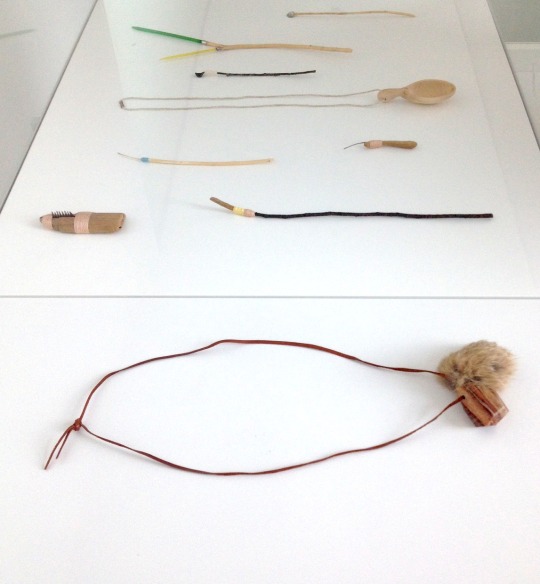
Jewellery and utensils by Rachel Bell

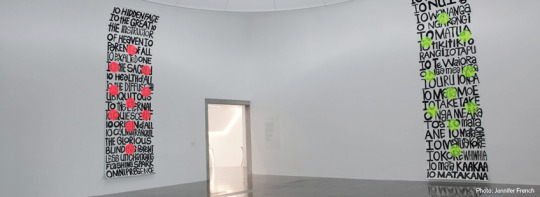
IOIOIOIOIOIO: FRED HARRISON AND TRACEY TAWHIAO
Most world traditions insist that there is a hidden order that unifies all aspects of the Universe. Some of these visualisations take the form of developing mandalas, such as the Sri Yantra formation. Others prefer to engage in dances where the movements and music are in tune with these geometric patterns. Still others prefer to assemble, sculpt or draw these forms, whose cornerstone of knowledge is embedded in sacred geometry.
Using the languages of geometry, sound, and binary code, Māori artists Tracey Tawhiao and Fred Harrison depict the Creator, known in Te Ao Māori as IO, through sacred geometry that exudes mātauranga Māori; the knowledge originating from the ancestors.

Principles Of City Land Values | by Richard M. Hurd

The continual readjustments in the life of a city reflecting the total social relations of its inhabitants, lead to the concept of a city as a living organism. That such a concept is popularly held is shown by the common phrases, the “heart” of the city, to represent the business centre, the “arteries” of traffic to represent the streets, the ‘lungs" of the city to represent the parks, and to carry the simile further the railroad depots and wharves may be called the mouths through which the city is fed, the telephone and telegraph lines its nervous system, while man in his residence has been likened by Spencer to a particle of protoplasm surrounding itself with a cell.

Judy and I have talked a lot about the significance of analogies... Marshall McLuhan, the concept of Gaia, etc

Pesticides Used On Non-Organic Fruit And Vegetables Could Halve Sperm Count

 This study shows that sperm count is almost halved in men who eat produce containing pesticide residue.

“Strawberries, apples, pears, peppers and spinach are just some of the crops which are intensively sprayed by farmers to eradicate pests and boost production.”

“Previous studies have shown a link between sperm counts and pesticides for agricultural workers or men living near farmland, but the research is the first to find a link the problem to diet.”

(yesterday, March 31, in an article by Sarah Knapton, Science Editor of the Telegraph.)

Interesting! Mankind is literally killing itself off with our own poison.

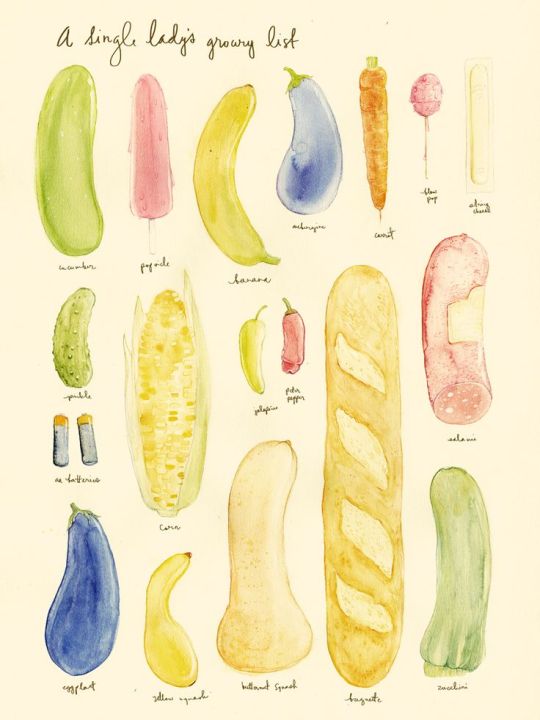
This reminded me of this phallic illustration by Monica Ramos, “A Single Lady’s Grocery List”:

Hoorah!

I’ve just found out that the library has bought a copy of a book that I put in a request for, about Bettina Van Haaren. Bettina was involved in the Elam International Printmaking workshop in the summer and her practice was hugely inspirational for all of us who saw her work and attended her seminar. However, I can’t find any of her work in any of our library’s books or journals, only on her website and online exhibition catalogues. Can’t wait to crack into the book when it arrives.

This brings me to another point: Most of the research I’ve posted so far has been from online sources. I’m planning to conscientiously transition away from articles I’ve found on Google and start hitting the real-world academia a lot more as crunch time for our honours essay gets nearer. Soon I’ll upload some scans from the pile of books that I’ve been reading and processing and bookmarking, including Naomi Klein (This Changes Everything,) Marshall McLuhan (The Medium is the Massage / Understanding Media: The Extensions of Man), Mark Graver (Non-Toxic Printmaking) Andrew Brown (Art & Ecology Now) and a few novels that have shaped my thinking: for instance Ruth Ozeki’s ‘My Year of Meat.’ 

Saturday, March 21, 2015

This is terrible

Bayer, BASF and Syngenta are suing the European Commission to overturn a ban on the pesticides that are killing millions of bees around the world.
The dangerous chemicals Bayer and Co. make are neonicotinoids, or neonics. Neonics are soaked into seeds, spreading through the plant and killing insects stopping by for a snack. These pesticides can easily be replaced by other chemicals which don’t have such a devastating effect on the food chain. But companies like Bayer, BASF and Syngenta make a fortune from selling neonics – so they’ll do everything they can to protect their profits.
The EU banned these bee-killers in May 2013, after a massive public campaign and a clear scientific finding from the European Food Safety Authority that neonics pose huge risks to bee populations.

Petition here.

Wednesday, March 18, 2015

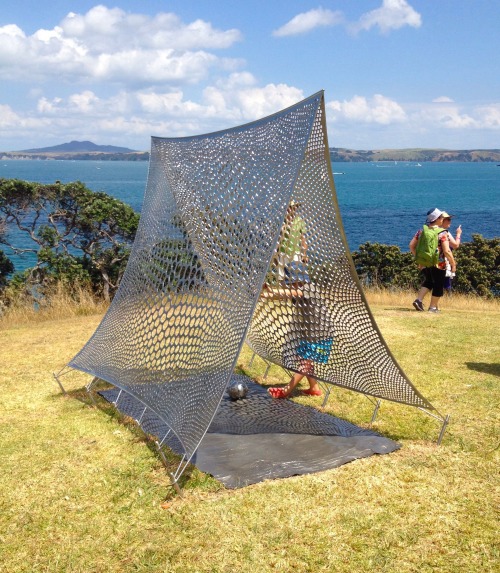
Sculpture on the Gulf 2015

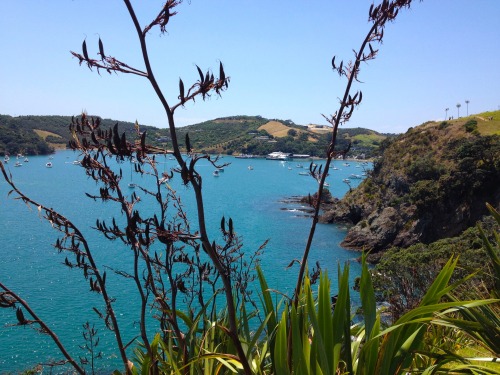
Images from the EIPW2015 trip to Waiheke Island

(In which James Wright gave us a lesson in how not to talk about our art.)

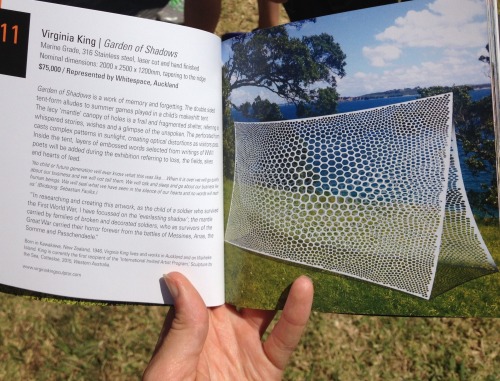
Virginia King: Garden of Shadows, and information from the catalogue (I loved the tent form, but think this would have been heaps more effective without the embossed WW2 poems on the ground and the silver ball in the middle. Too much!)

Gold leaf on rubbish bins: made me think of the hungry bin compost bin, originally designed to be recycled from old rubbish bins when they were downsized in 2001

Monday, March 16, 2015

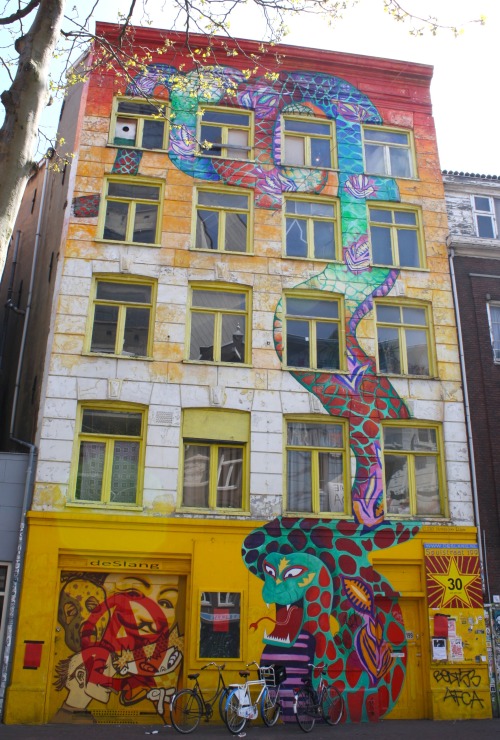
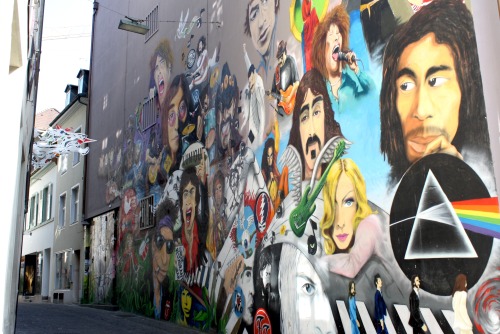
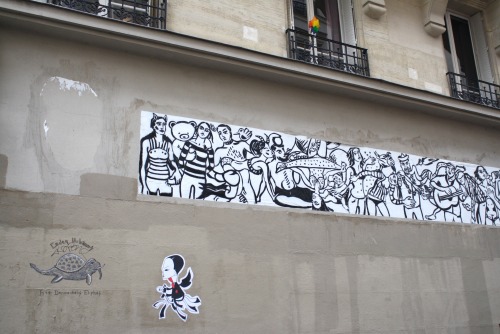
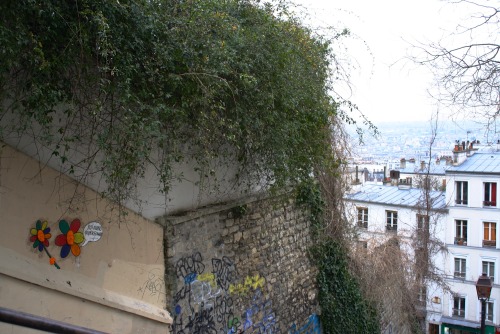
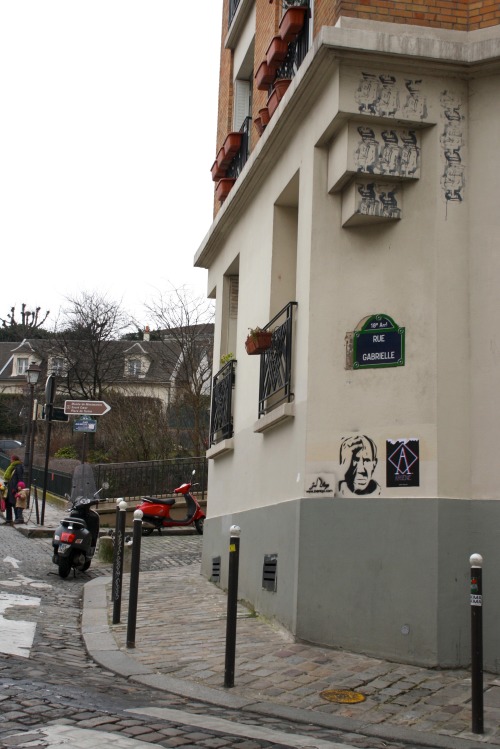
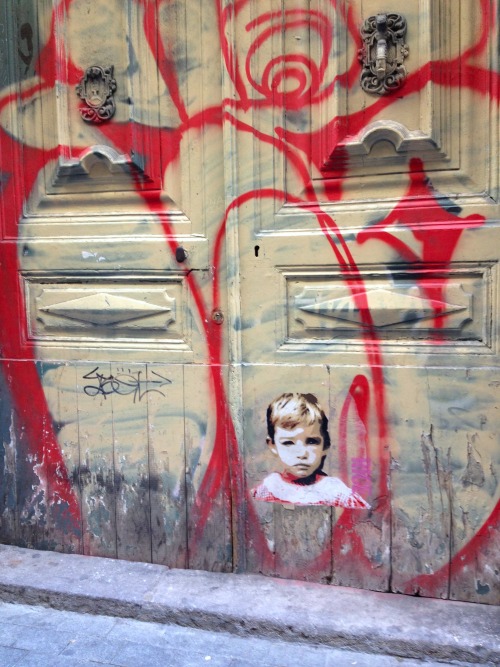
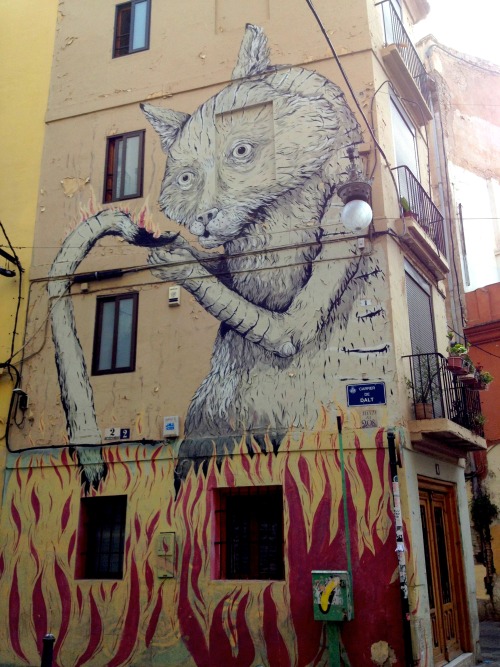
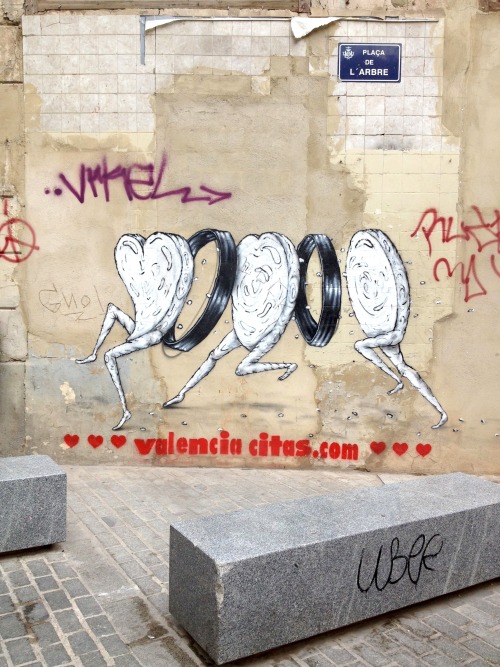
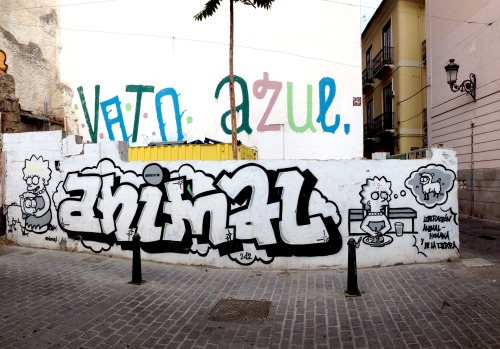
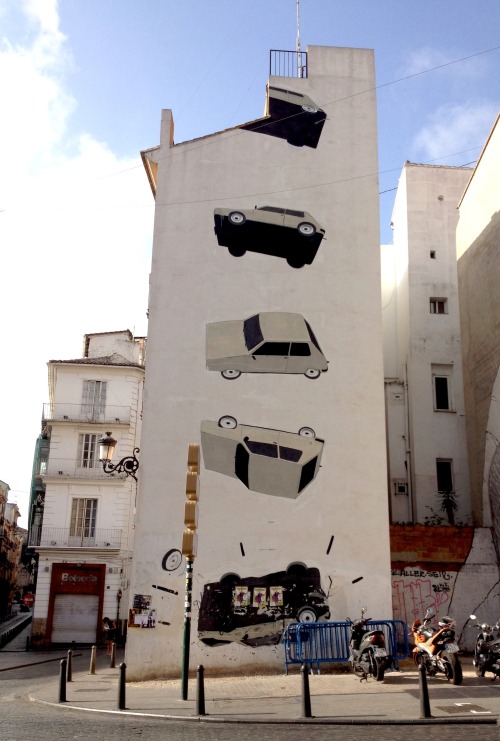
Street art

[Note: these images are from my gap year in 2013, which I spent trawling the art galleries of Europe and taking lots of photos of artworks that I liked. Over the past summer I have organised+compiled all of these. By doing so and uploading them here I’m hoping to find connections and identify common elements, creating a record of the things I felt drawn to and inspired by.]
Amsterdam:


Basel:


Paris:


Barcelona:


Aaand the winner is… Valencia:


Street Art Valencia facebook page
Interview with Valencia street artist ESCIF
Of course graffiti is a viable tactic for engaging the public sphere. I see graffiti as a necessary symptom of life in contemporary cities. A painted wall represents a way of using the city that is not thought about socially (though it becomes more so every day). It seems very interesting to me that people that live in a city do not settle for using it according to imposed rules; they invent new ways of utilizing it. It seems of equal validity to me to paint a wall, to put on a party in a plaza or to organize a brunch on a rotunda. There exists a collective social ethic that makes us understand a tag on a dumpster as a sign of vandalism while a McDonalds stuck in the historical center of the city is seen as a sign of progress.

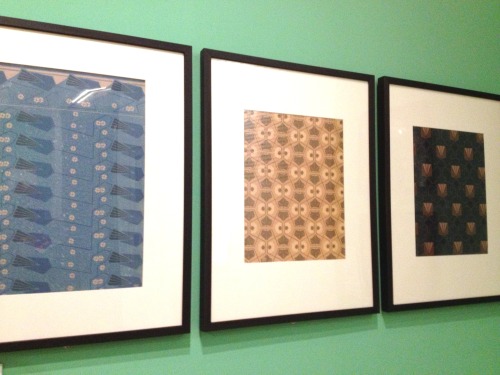
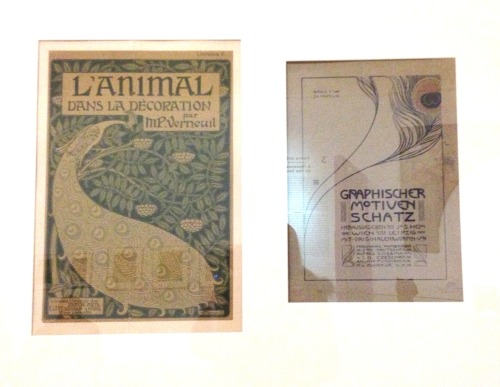
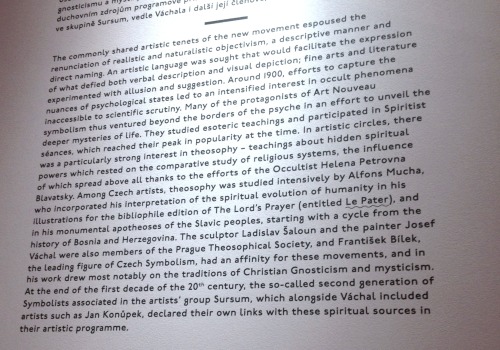
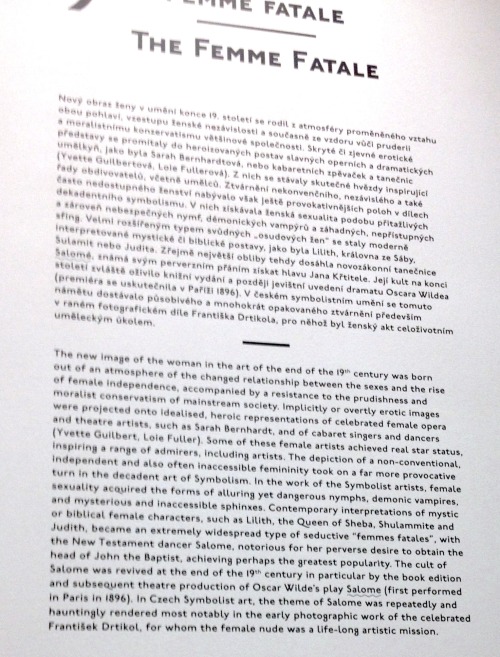
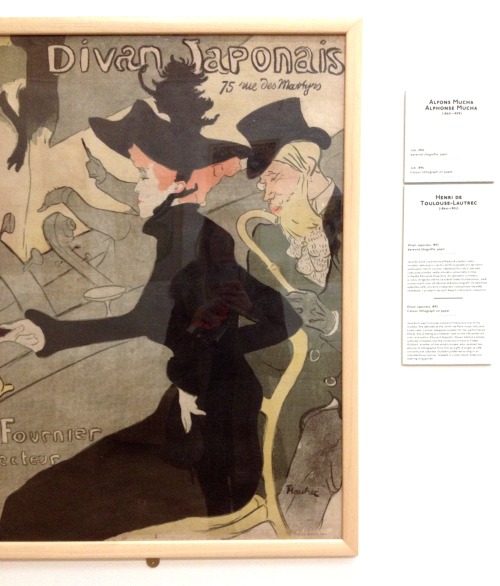
Various images from the Exhibition of Art Nouveau

Including prints, posters, pastedowns/endpages, patterns and exhibition information
Museum of Decorative Arts, Prague


[Note: above images are from my gap year in 2013, which I spent trawling the art galleries of Europe and taking lots of photos of artworks that I liked. Over the past summer I have organised+compiled all of these. By doing so and uploading them here I’m hoping to find connections and identify common elements, creating a record of the things I felt drawn to and inspired by.]

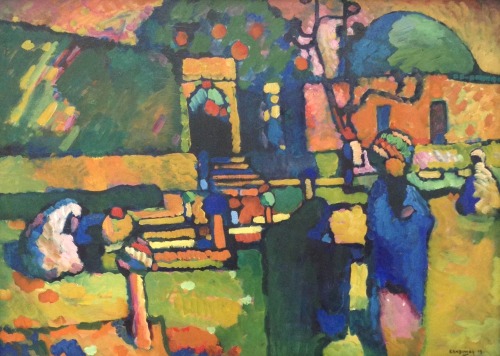
Hamburg


[Note: above images are from my gap year in 2013, which I spent trawling the art galleries of Europe and taking lots of photos of artworks that I liked. Over the past summer I have organised+compiled all of these. By doing so and uploading them here I’m hoping to find connections and identify common elements, creating a record of the things I felt drawn to and inspired by.]